





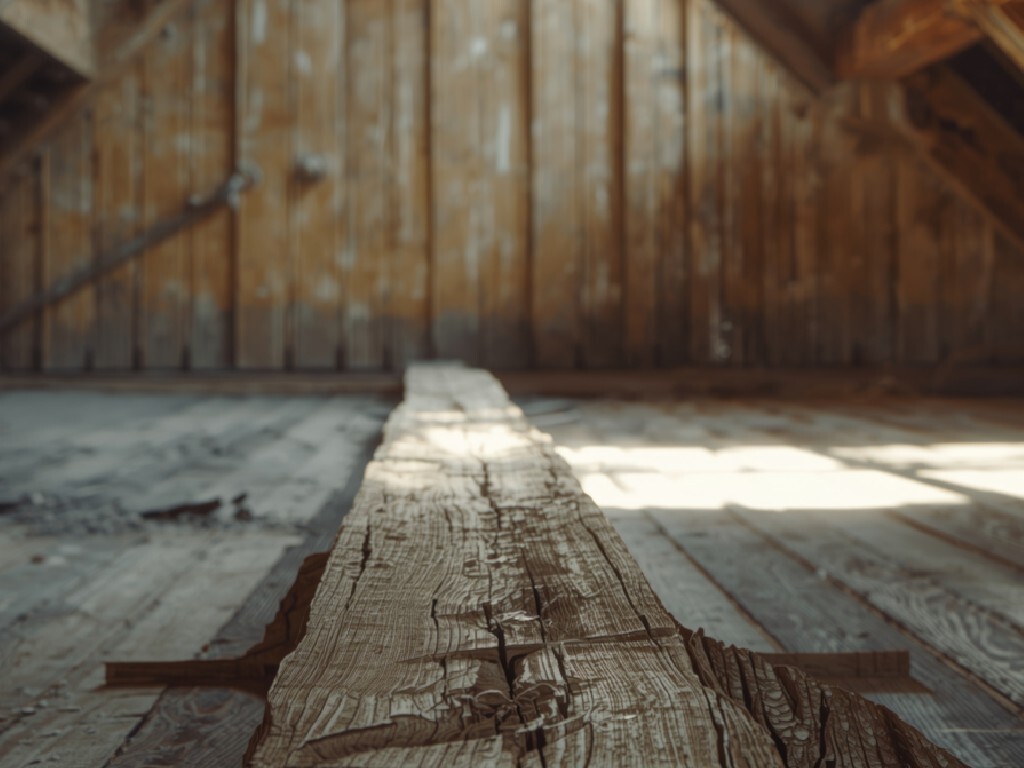
Woodworm Season is Approaching – Signs, Causes and Treatment for UK Homes
As temperatures begin to rise in spring and early summer, woodworm activity increases across the UK. This period is often referred to as woodworm season, when adult beetles emerge from timber after developing within it.
For many homeowners, this is when the first visible signs of woodworm appear. Understanding what to look for and when to act can help prevent serious damage to structural timber.
What Is Woodworm?
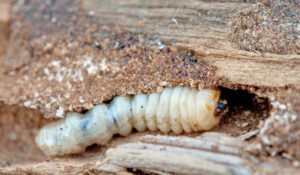
Despite the name, woodworm is not actually a worm. The term refers to the larval stage of several species of wood-boring beetles that live and feed inside timber.
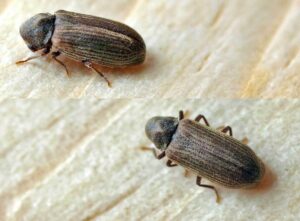
One of the most common species found in UK homes is the common furniture beetle (Anobium punctatum). The larvae tunnel through wood for several years before emerging as adult beetles.
During this process, they create a network of tunnels within the timber that can weaken its structure over time.
When is Woodworm Season?
In the UK, woodworm season typically runs from late spring through summer. Warmer temperatures trigger adult beetles to emerge from timber, leaving the small round holes that many homeowners recognise.
Once they emerge, the beetles will:
- Mate
- Lay eggs on exposed timber
- Start the next woodworm life cycle
If the conditions are right, this can lead to new infestations within the same property.
Common Signs of Woodworm
Homeowners often discover woodworm when they notice the following signs:
Small Round Exit Holes – Tiny holes (usually 1-2mm wide) in timber surfaces where adult beetles have emerged.
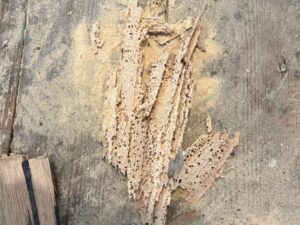
Fine Powdery Dust (Frass) – A powder-like dust around holes or beneath timber. This is the waste produced by woodworm larvae.
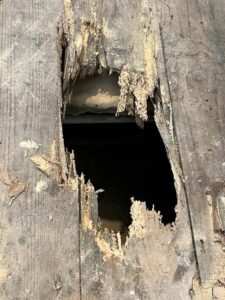
Weak or Damaged Timber – Timber may feel brittle, crumbly, or weakened if infestation has been present for a long period.
Beetles Near Windows – Adult beetles often appear near light sources during woodworm season.
Tunnels Inside Timber – Severely affected timber may contain internal tunnels, reducing its strength.
Check out our blog here for more information on historic or active woodworm.
Where Woodworm is Commonly Found in Properties
Woodworm is most frequently found in areas with higher moisture levels, including:
- Roof timbers and loft spaces
- Floor joists and suspended timber floors
- Timber beams
- Floorboards
- Wooden furniture
Poor ventilation and damp conditions can significantly increase the risk of infestation.
Check out a case study here of beautiful handcrafted window sills of sycamore wood which unfortuantly was the ideal spot for woodworm.
Can Woodworm Cause Structural Damage?
Not all woodworm infestations are serious. Many properties contain historic woodworm activity that is no longer active.
However, long-term or severe infestations can weaken structural timber, particulary when combined with damp conditions.
Potential structural problems include:
- Weaken Floor Joists
- Damaged Roof Timbers
- Reduced Strength in Structural Beams
- Sagging or Uneven Floors
This is why professional inspection is important before deciding on treatment.
How To Prevent Woodworm
The most effective way to prevent woodworm infestations is by reducing moisture levels in timber.
Simple prevention steps include:
- Improving ventilation in loft and subfloors
- Fixing roof leaks or plumbing leaks
- Addressing damp issues in the property
- Keeping structural timbers dry
Dry timber is far less attractive to wood-boring beetles
Woodworm Surveys and Timber Inspections at Trustguard Ltd
If you suspect woodworm, it is important to determine whether the infestation is active or historic before carrying out treatment.
At Trustguard Ltd, we carry out professional inspections to assess timber condition and identify signs of woodworm activity.
Our surveys determine:
- Whether woodworm is active or historic
- The species of beetle present
- If structural timbers have been affected
- The most appropriate treatment or repair solution
If active woodworm is confirmed, specialist treatment can eliminate the infestation and protect timber from future attack.
Early identification can help prevent long-term structural damage and costly repairs.
If you have anymore questions relating to woodworm, please check out our FAQ page here, or give our team a call to discuss your concerns on 0191 4159471