





How to prevent condensation in your home
Condensation is a common problem and one we discuss regularly with customers at Trustguard Ltd.
We have created some simple measures to help prevent condensation from occurring in your home, these steps should help reduce condensation but remember not all homes are built the same so you may need to call in the professionals for a more permanent solution.

The Root Cause
It is important to understand what condensation is and how it is formed, then you will understand how to prevent it.
Condensation occurs when warm air in a property absorbs moisture, then, as the property cools down the moisture in the air condenses onto the nearest cold surface such as a wall or window.
The air in your home is naturally moist, but the amount of moisture is increased by the release of water vapor from cooking, bathing, showering and even exercising. If condensation is allowed to sit on walls for extended periods of time, it can penetrate the outer layers of your walls and seep into furniture where mould will start to grow.
Signs Of Condensation
Water droplets on the windowsill
Wallpaper peeling off the walls or paint peeling
Damp musty smell
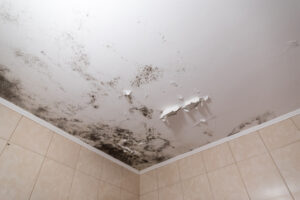
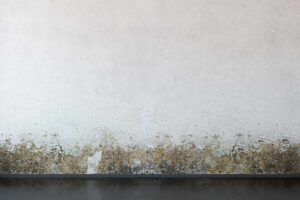
Black mould spots on the walls or furniture
How To Prevent Condensation
The key to preventing condensation is the reduction of moisture levels within the property. There is obviously going to be some moisture in your house, which is inevitable but with these simple measures, you can reduce the amount of moisture in your house.
Open the windows
One of the easiest ways of reducing moisture is to simply open windows and doors as much as possible. This is especially applicable if you live in a small apartment where there may not be sufficient ventilation in place.
Add trickle Vents
Trickle vents are designed to allow a small amount of “background” air circulation. This will assist in reducing condensation, damp and mould inside properties especially around windows as these are normally the coldest place in a room and therefore the first place that condensation will form.
Maintain a consistent temperature within your home
You must heat your home, we understand heating your home costs money and everyone is worried about this but if you do not heat your home, condensation WILL occur.
Make sure that the heating is regulated to ensure that your house does not have surges of heat and then sudden drops in temperature. It is also a good idea to heat the whole house instead of just one or two rooms.
Try not to dry clothes indoors
We understand trying not to dry your clothes indoors might be easier said than done, especially during the winter months of the year. You should try and dry your clothes in the bathroom if possible and then make sure your extractor fans are on to allow the moisture-laden air to escape.
If you cannot dry your clothes in the bathroom, then make sure the windows are open in whichever room they are being dried in.
Vented tumble dryers
If you own a tumble dryer at your house, then use it when you can in the winter months, it is important to note that tumble dryers also increase moisture levels so you should make sure the room the tumble dryer is in is ventilated.
A vented tumble dryer is best to allow the moisture to be released out of a window or wall.
Keep the lids on the pans when cooking
Keep lids on the pans when cooking, this will stop the steam building up in the kitchen and therefore reduce the chances of condensation occurring.
Keep extractor fans turned on
Extractor fans both in your kitchen and bathroom should be turned on before and after carrying out your daily activities. Having extractor fans turned on will help remove the excess moisture from both the kitchen and bathrooms.
Use a dehumidifier
Dehumidifiers should be placed in areas of the house that have the highest amount of moisture built up. There are a few potential issues that you should be aware of when considering dehumidifiers.
They will need to be regularly emptied, if not emptied, then black mould can start to build up which would defeat the purpose of having them.
This is only a quick fix to reducing high humidity levels, you are only treating the symptoms rather than giving your property a solution.
Need further advice
If you are looking for expert help and advice regarding condensation, mould and damp in your property, or you want a professionally researched and highly effective positive input ventilation (PIV) system installed, you can book a visit with one of our surveyors who will complete an inspection of your property.
The survey will give you answers on how and why condensation is being created and outline the next steps for you to reduce condensation build-up in the long term.
For more information, you can request a survey here, or just have a chat with our friendly team on 0191 4159471