

UK Landlord Challenges 2026: What Property Managers Need to Know
The UK rental market is entering a period of major reform, and 2026 will bring new challenges for landlords and property managers. From stricter regulations to the introduction of the Renters’ Rights Act, staying compliant and profitable is becoming increasingly complex.
In this guide, we explore the top challenges facing UK landlords in 2026 – and how to prepare effectively.
The Renters’ Rights Act : A Major Shift for UK Landlords
The introduction of the Renters’ Rights Act is set to be one of the most significant changes to the UK rental sector in decades.
Key expected changes include:
- The abolition of section 21 “no fault” evictions.
- Stronger tenant protections against unfair rent increases
- The move toward periodic tenancies as standard
- Increased accountability for property conditions and repairs
For landlords, this means less flexibility in regaining possession of properties and a greater need to ensure homes are consistently maintained to a high standard.
Delays in addressing structural issues or maintenance concerns could now lead not only to tenant dissatisfaction but also to legal and financial consequences.
Stricter UK Rental Regulations in 2026
Alongside the Renters’ Rights Act, broader UK landlord regulations continue to tighten.
Key areas of focus include:
- Highter EPC (Energy Performance Certificate) requirements
- Stronger enforcement of housing standards
- Increased compliance checks and penalties
Failure to meet these requirements could result in fines or restrictions on letting properties.
Rising Property Maintenance and Repair Costs
Property maintenance costs in the UK are continuing to rise due to inflation, material shortages, and labour costs.
Landlords are facing:
- Higher costs for structural repairs
- Increased call-out fees for urgent maintenance
- Longer waiting times for specialist contractors
With the Renters’ Rights Act increasing accountability, delaying repairs is no longer a viable risk.
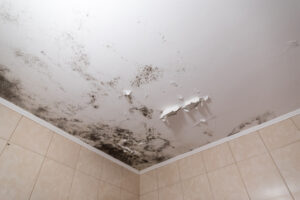
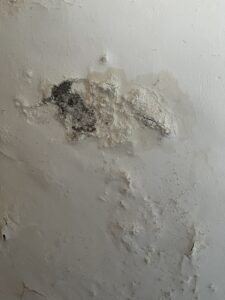
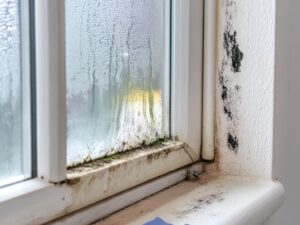
Damp and Mould: A Growing Challenge in UK Rental Properties
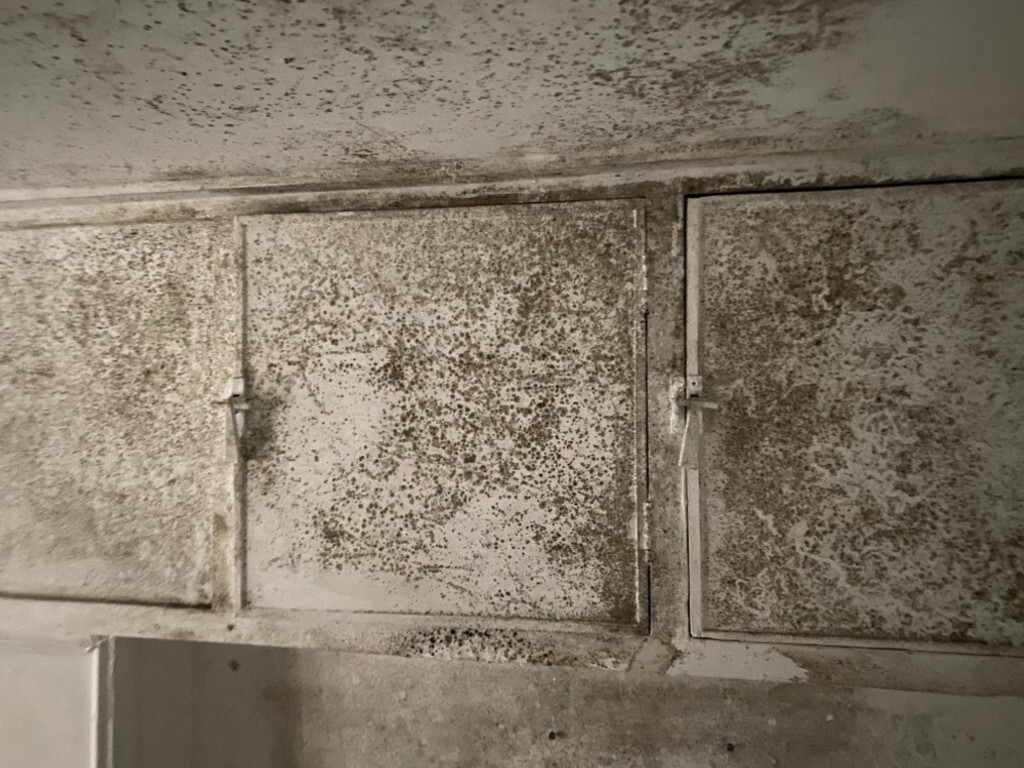
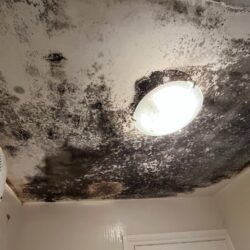
Damp and mould in rental properties are becoming one of the most significant issues facing landlords in 2026 – both a maintenance and legal perspective
Common causes include:
- Poor ventilation
- Rising damp from aging structures
- Penetrating damp due to external defects
- Inadequate insulation
However the questions we get asked a lot of the time is “Who’s fault is it, the landlord or the tenant”
The tenant is responsible for:
- Heating the property correctly
- Opening windows and keeping the property well ventilated
- Using extractor fans, positive input ventilation units if installed
- Not drying clothes on radiatiors
- Generally maintaining the property correctly
With increased scrutiny under housing regulations and the Renters’ Rights Act, landlords are expected to act quickly and effectively when damp issues arise.
Failure to address damp and mould can lead to:
- Tenant complaints and formal disputes
- Enforcement action from local authorities
- Potential legal claims linked to health concerns
- Long-term structural damage to the property
Proactive damp surveys and early intervention are essential.
How Trustguard Ltd Helps Landlords Complete Damp Surveys and Stay Compliant

With the Introduction of the Renters’ Rights Act, landlords and letting agents face increased responsibility to ensure properties are free from hazards such as damp and mould. A professional damp survey is no longer just good practice – it’s becoming essential for legal compliance and risk management.
Why Damp Surveys are Critical Under the Renters’ Rights Act
The new legistation places greater emphasis on:
- Safe and habitable living conditions
- Prompt investigation of tenant complaints
- Clear evidence of property maintenance
Damp and mould are now among the most scrutinised issues especially after the case of Awaab Ishak
Without proper assessment and documentation, landlords risks disputes, enforcement action, and potential legal claims.
Trustguard Ltd Damp Survey Process 

At Trustguard Ltd, we provide comprehensive damp surveys designed specifically for landlords and letting agents who need to stay compliant and protected.
Detailed Property Inspection
Our specialists carry out a through inspection to identify all types of damp, including:
- Rising Damp
- Penetrating Damp
- Condensation-Related Issues
We don’t just treat symptoms – we identify the root cause of the problem.
Advanced Diagnostic Testing
We use professional equipment to accurately assess moisture levels and structural impact, ensuring no hidden issues are missed.
This allows us to provide reliable, evidence-based findings – essential if disputes arise.
Clear, Compliance-Ready Reports
Following the survey, we provide a detailed report that includes:
- Identified issues and severity
- Photographic evidence
- Recommended remedial actions
- Preventative maintence advice
These reports are designed to support legal compliance and demonstrate that landlords have taken appropraite action.
Ongoing Support for Letting Agents and Landlords
We work closely with landlords and letting agents to provide:
- Regular Property Assessments
- Preventative Maintenance Plans
- On-Hand Surveyors Advice and Support
- Support on staying compliant with the Renters’ Rights Act
- Protecting your investment for longer
- Reduce the risk of tenant disputes and legal claims
Stay Ahead of Compliance in 2026
Damp and mould issues are no longer minor maintenance concerns – they are key compliance risks in the modern rental market.
A professional damp and mould survey from Trustguard Ltd ensures you have the evidence, expertise, and action plan needed to meet your legal obligations and protect your investment.
Book a damp survey with Trustguard Ltd today and ensure your property is compliant, safe, and future-ready.