



What does Awaab’s law mean for tenants, landlords and social housing?
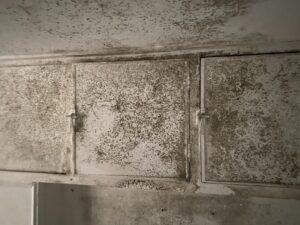
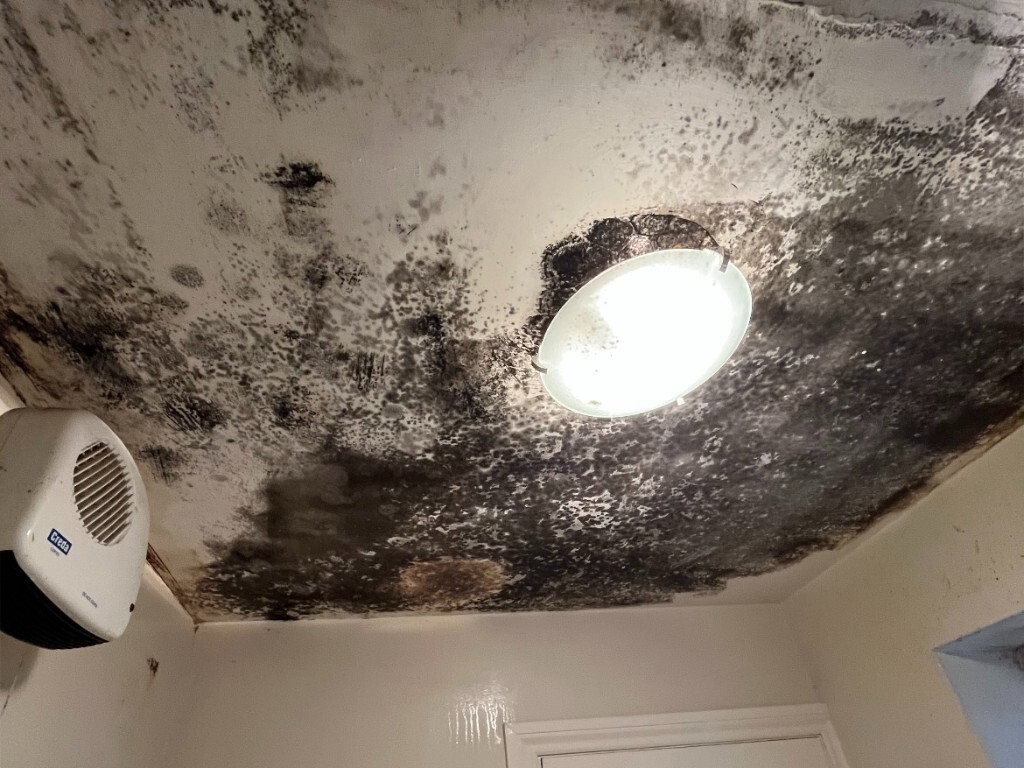
Awaab’s Law is a piece of UK legislation introduced following the tragic death of Awaab Ishak, a two-year-old boy who died in 2020 due to prolonged exposure to mould in his home, owned by a social housing provider.
The purpose of this implementation is to ensure the landlords (particularly in the social housing sector) address damp and mould hazards promptly.
⚖️ Key Points
- From October 2025 “Social landlords have to investigate and fix dangerous damp and mould within a set amount of time as well as repair all emergency hazards within 24 hours”
- Landlords who fail to comply face being taken to court, with social tenants able to use the full power of the law to hold them to account.
- Landlords and housing associations should implement proactive measures to prevent damp and mould issues, including regular property inspections and maintenance.
- The government is setting specific deadlines for: Initial inspection after a complaint / starting and completing repairs
- Applies to social landlords (housing associations and councils), but similar standards are encouraged for private landlords too.
🏢 What does this mean for tenants?
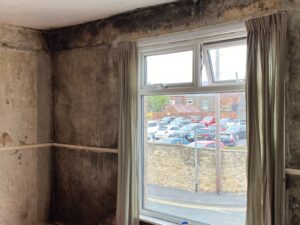
The law aims to protect tenants from dangerous conditions, especially damp and mould, by forcing social landlords (councils and housing associations) to take fast, legally binding action.
Of course, this means that tenants must inform their landlords about any damp and mould problems in the property and take responsibility for their living environment, which could contribute to the presence of damp and mould.
Additionally, tenants must be prepared and willing to cooperate with landlords so that access for inspections, surveys, and repairs relevant to the damp and mould issues in the property can be arranged to address the problem.
🧩 What does Awaab’s law mean for housing associations and social landlords?
Awaab’s law specifically targets properties owned and operated by housing associations and social landlords. That means that social landlords and housing associations need to be taking steps now to proactively prepare for when the law comes into effect (October 2025), so that they can reduce the potential liability when the law is enforceable.
Upon becoming aware of a potential hazard, social landlords should use all available information to initially determine if the hazard is a potential significant hazard and take steps to complete relevant work within stated timeframes
More information on specific timeframes can be found here
After October 2025, all social landlords and housing associations will need to implement proactive measures to prevent damp and mould issues, which will include regular property inspections and maintenance.
All of this is enforceable by law, and if not adhered to, social landlords and housing associations could face court proceedings and the consequences.
All of this means that preparation for Awaab’s law is best started now, ahead of the laws implementation so that any legal ramifications and rush for service can be avoided.
🏠 Does this impact private landlords?
Short answer –
➡️ No – Awaab’s law does not currently apply to private landlords.
It only applies to social housing landlords in England, starting 27th October 2025.
However, the government has signalled it’s intention to extend similar obligations to private landlords in the future through other housing legislation. The renters (Reform) bill aims to strenghten standards and improve enforcement against poor-quality private housing. When enacted, it could introduce similar repair response times or extend the decent homes standard to private landlords.
If you require any help in providing a damp and mould survey or you would like to talk about these new changes to make sure your property is adhering to the requirements, please give our friendly team a call 0191 4159471.