




Snow Causing Damp in Properties: Causes, Signs & How to Prevent It
When winter arrives, homeowners expect cold winds and icy mornings- what they don’t expect is snow causing damp in their property. Yet every year, melting snow, blocked gutters, and freezing temperatures create the perfect conditions for moisture to penetrate homes. Trustguard Ltd is called out to deal with damp issues caused directly by snow, ice and freezing temperatures every winter.
Understanding how snow leads to damp problems is essential to preventing costly damage.
Here is everything you need to know:
Why Snow Causes Damp In Homes
Snow seems harmless, but when it settles, melts, and refreezes, it introduces moisture into vulnerable areas of your property. This can lead to penetrating damp, rising damp, condensation issues, and even long-term structural problems.
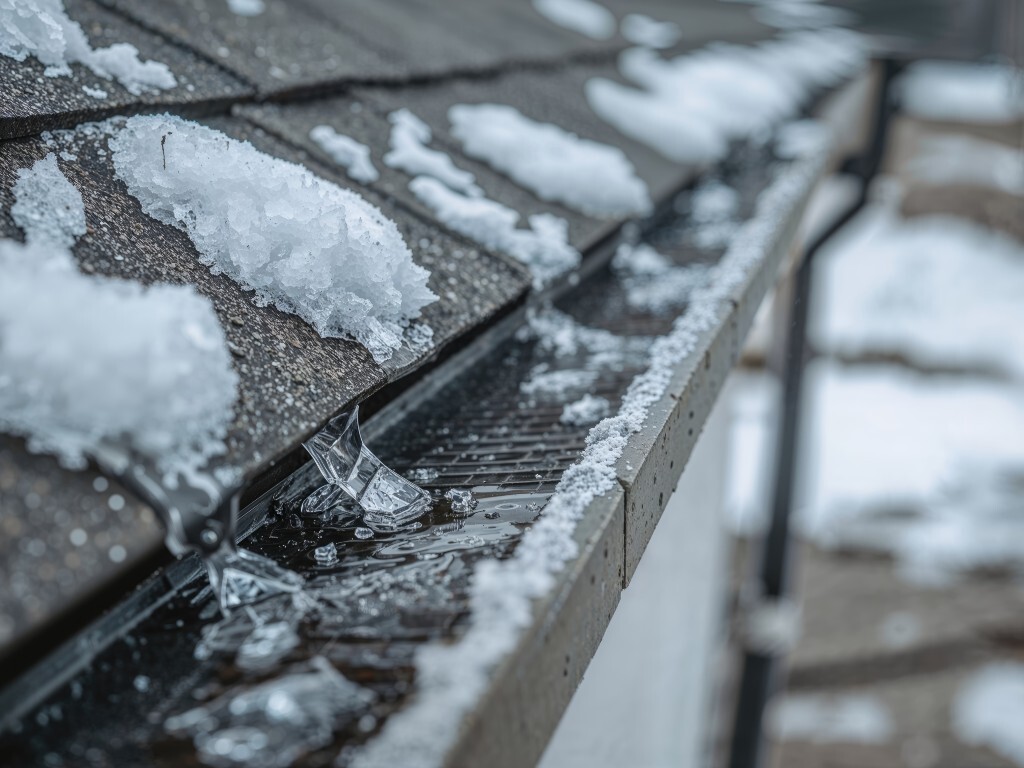
Roof Snow Build-Up and Ice Dams
When snow sits on your roof, indoor heat can cause the lower layer to melt. As the melted water trickles down, it refreezes at the eaves, forming ice dams. This water has nowhere else to go and can:
Force its way under the roof tiles
Soak roof timbers
Leak into loft insulation
Cause ceiling damp patches
Melting snow at ground level
As snow melts around the base of a property, the ground becomes saturated. If your damp proof course (DPC) is bridged- by debris, raised soil, or the snow itself – moisture can travel up your walls.
This results in:
Wet Crumbling Plaster
Damp Skirting Boards
Powdery Salt Deposits.
Blocked Gutters and Downpipes
In winter, gutters often fill with leaves, compact snow, and ice. Once they’re blocked, melting snow can’t drain away. This leads to:
Overflowing Gutter Water
Penetrating Damp Through Brickwork
Water Collecting Around Foundations
Condensation From Cold Weather
Snow and freezing temperatures keep external walls cold. Inside, heating makes the air warm and moist. When that air hits cold surfaces, condensation forms. This encourages:
Black Mould
Musty Smells
Damp in Corners, Windows, and Ceiling Edges
Freeze-Thaw Damage to Walls
Water from melting snow enters small cracks in render or brickwork. When tempertures drop again, the water freezes and expands, widening the cracks and allowing further damp ingress. Look out for these common indicators:
Damaged Render
Deteriorate Pointing
Weakened Masonry
Signs Snow Is Causing Damp In Your Property
Stains Or Damp Patches on Ceilings
Damp Walls Or Peeling Paint
Black Mould Around Windows
Musty Or Damp Smells
White Salt Crystals On Walls
Overflowing Or Sagging Gutters
Watermarks In The Loft
How To Prevent Snow-Related Damp
✔ Keep gutters and downpipes clear
✔ Ensure your roof is in good condition
✔ Improve loft insulation
✔ Maintain ventilation throughout the home
✔ Repair cracks in render or brickwork
✔ Keep ground and snow levels below your DPC
Snow and freezing weather can cause serious damp issues if left untreated. Fast action not only prevents structural damage but also protects your home’s health and value.
If you’ve noticed damp after snowfall, Trustguard Ltd is here to help, we can identify the exact cause, whether it’s penetrating damp, rising damp, condensation, or structural moisture problems.
📞 Call us today on 0191 4159471 to book a professional damp survey
📩 Or request a quote online here